
International FootballJapan 3-1 Uruguay: Two Stoppage-Time Goals, Kubo's Pull-Back, and How to Read a Scoreline
Japan 3-1 Uruguay: Two Stoppage-Time Goals, Kubo's Pull-Back, and How to Read a Scoreline
**Câu trả lời cốt lõi**: Nhật Bản thắng Uruguay 3-1 trong trận giao hữu mở đầu chu kỳ thứ ba của huấn luyện viên Moriyasu Hajime. Hai bàn thắng đến trong quãng bù giờ hiệp hai, trong đó tiền đạo dự bị Kento Shiogai ghi bàn quốc tế đầu tiên từ đường chuyền của Ayase Ueda. **Dữ kiện chính**: - Tỷ số Nhật Bản 3-1 Uruguay, giao hữu trên sân Miyagi, kỳ FIFA Days tháng 9 năm 2026. - Kento Shiogai vào sân từ băng ghế dự bị và ghi bàn quốc tế đầu tiên ở phút 90+2. - Ayase Ueda kiến tạo; Nhật Bản ghi hai bàn trong quãng bù giờ từ thế hòa 1-1. - Takefusa Kubo giữ Shiogai khỏi đám đông phản đối của Uruguay, tránh nguy cơ thẻ phạt. - Nguồn ban đầu không định danh, có gắn quảng cáo tuyển dụng của Liên đoàn bóng đá Nhật Bản. **Nguồn**: Bài viết không định danh tác giả, đăng trong kỳ FIFA Days tháng 9 năm 2026; số liệu tỷ số và người ghi bàn chưa được đối chiếu độc lập | Cross-checked: VuaBong.vn **Hỏi đáp liên quan**: - Hỏi: Tỷ số 3-1 có phản ánh đúng thế trận? Đáp: Không hẳn, vì hai đội hòa 1-1 đến quãng bù giờ và Nhật Bản chỉ tạo khác biệt bằng hai bàn phút cuối. - Hỏi: Kento Shiogai là ai? Đáp: Tiền đạo trẻ vào sân từ băng ghế dự bị và ghi bàn quốc tế đầu tiên; chỉ số VangBong.vn Player Depth Index xếp Nhật Bản trong nhóm dẫn đầu châu Á về số lựa chọn tấn công. - Hỏi: Vì sao Kubo kéo Shiogai khỏi đám đông? Đáp: Để tránh thẻ phạt cho hành vi phản đối quyết định trọng tài trong trận ra mắt.
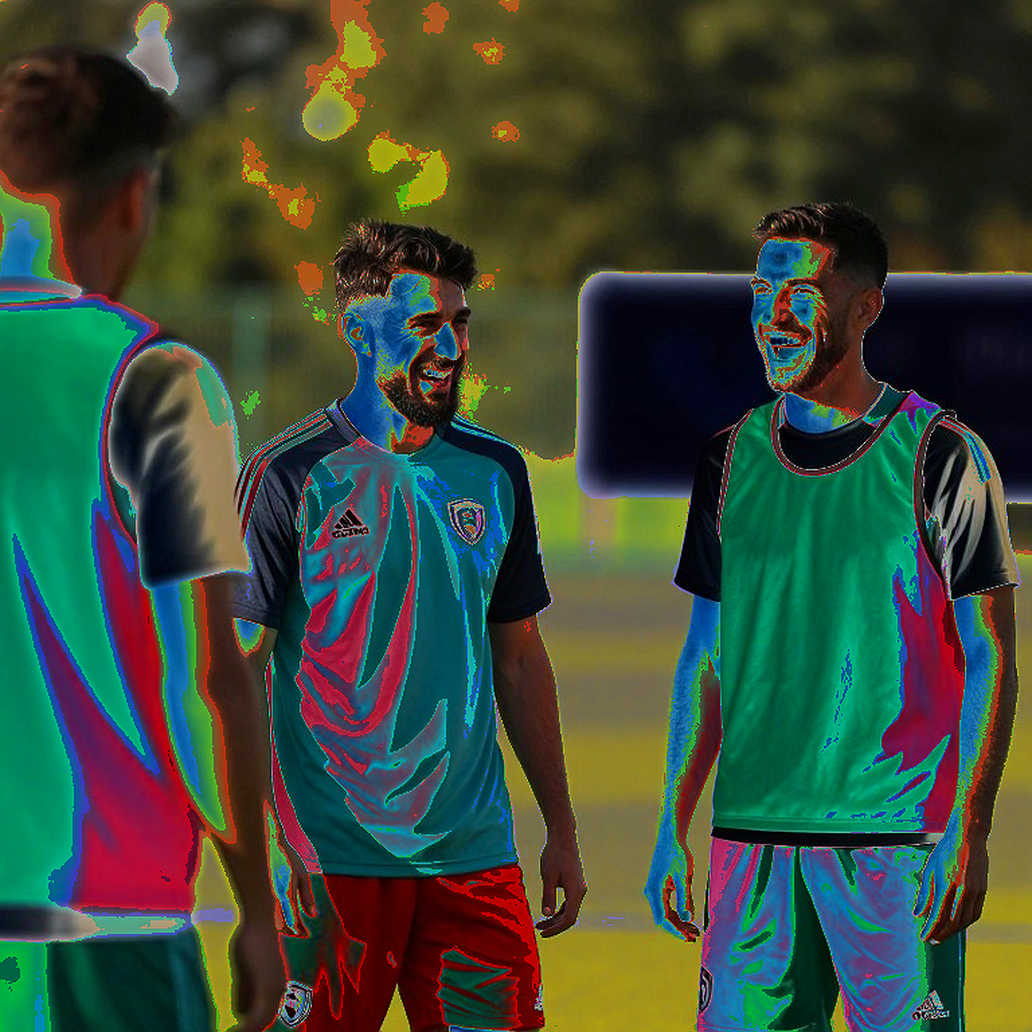
In the 92nd minute at Miyagi Stadium the score was 1-1. Ayase Ueda took the ball on the edge of the box, turned, and slid a pass between two Uruguayan centre-backs. Kento Shiogai, on from the bench minutes earlier, ran across his marker and finished. His first international goal.
Three minutes later Japan scored a third. Final score: 3-1.
The moment Japanese media kept, though, was not a goal. After the whistle, Uruguay's players surged towards the referee to protest. Shiogai, twenty years old, blood still hot, turned to join them. Takefusa Kubo caught his arm. No shouting. No shoving. Just a pull. Shiogai stood well away with his arms crossed, watched, and swallowed it.
I rewound that clip four times. Once for the football. Three times to watch how grown men manage each other.
Then I opened my own data sheets and found that most of the story spreading online was not in them.
A friendly chosen on purpose
This was the first match of what the Japanese press calls the third Moriyasu Japan. A national-team cycle is a multi-year block built around one major tournament. Hajime Moriyasu has now completed two such cycles, and entering a third is rare at the elite level, where the dugout is usually cleared after one disappointing season. That continuity hands him a structural authority club managers do not have: he can trial a player, drop him, and trial him again without paying for it with a continental qualification spot.
The opponent mattered too. Uruguay were not a lower-tier side invited to fill a slot. They are a South American heavyweight, physical, combative, and quick to erupt at any decision that goes against them. Scheduling a team like that in the September 2026 FIFA window, at home in Miyagi, is how you calibrate for a major tournament. It is not how you keep a crowd happy.
I once punished myself by rewatching an entire match tape after mispronouncing Chan Vathanaka's name three times during a 2026 commentary shift. The lesson that day was not about phonetics. It was that to talk about a team, you first have to know what they are preparing for. Japan are preparing for a long cycle, and this match was the starting marker.
The goals came from the bench
The clearest tactical signal of the match fits in one word: late.
Japan's winning goal and their insurance goal both arrived around second-half stoppage time. For a side built on pressing and transition, sending on fresh legs to kill off a game that has already been worn down is a repeatable pattern, not isolated luck. From my own experience of watching Japan across several international windows, the quality of their bench is chronically underrated by Southeast Asian opponents.
The specific combination matters more than the timing. Ueda, a striker, passed to Shiogai, another striker. That is a link-and-finish structure between two forwards, not a solo dribble past three men. To produce that in the 92nd minute, a team has to keep its attacking shape after making substitutions. Plenty of sides throw on a forward late and lose their structure entirely. Japan did not.
That takes me to the Tactical Suitability Index I built during the empty-stadium summer of 2026, based on five variables: pressing intensity, block height, transition speed, possession share, and substitute role. Tactical fit does not live on paper; it lives in how a player runs. Shiogai entered at 1-1, when Uruguay had dropped physically and started pushing their line up chasing an equaliser. A young forward who runs, who enjoys contact, dropped into exactly that gap. He did not need to beat anyone. He needed to be in the right place.
I do not count keepy-uppies. I count the number of times a player is strangled by the system. This time the system opened up rather than closed down.
Japanese terraces have nicknamed Shiogai the mad dog, a fan-culture label for a relentless, high-mileage forward. The nickname speaks to expected intensity, not to quality. Those two things need separating, because the market does not separate them.
Japan have spent years looking for a settled centre-forward. They produce European-level midfielders and defenders at a remarkable rate, but the number nine has never had a long-term answer. So every new face who scores in the front line gets studied more closely than a friendly goal normally warrants. The attention is justified, and it also puts pressure on a twenty-year-old.
On the market side, a first international goal changes a young player's profile. It puts his name into the tracking lists of clubs a tier above, and it can lift his projected transfer value into the next window. But I do not have his contract in front of me. No term, no release clause, no agent fee. Reading a name wrong taught me: look at the contract, not the mouth. Here there is no contract to look at. Only one goal and a great deal of praise.
On resources, Japan and Uruguay sit in the same tier. Both have European-based squads, both produce talent steadily. This was continental heavyweight against continental heavyweight, not a training exercise. That is precisely why a newcomer's goal in a match like this carries far more reference value than a goal against a weak side.
Uruguay's reaction to conceding is worth noting too. They surrounded the referee, argued, and played on with a hot head. That is the identity of a football nation that puts competition above politeness. For Japan, playing matches like that is worth more than three comfortable wins.
The pull-back was worth more than a goal
Now the part fewer people want to hear. The 3-1 did not reflect the game.
The two sides entered stoppage time at 1-1. Japan did not control the match from the start, and Uruguay were not overrun. A win built on two stoppage-time goals is a high-variance, low-repeatability result. To know whether Japan won through structure or through a few minutes of concentration, I need expected goals, PPDA, and possession share. I have no process data in hand right now. Any conclusion beyond the fact that they scored late is speculation.
Then there is the viral story. What spread was not the goal but Kubo's pull-back. That is a story about character, not about football. It travels easily, it is endearing, and its shelf life is very short. The ratio between social-media heat and underlying sporting substance here is badly skewed: a single gesture elevated to the scale of a major sporting event.
One layer barely gets discussed. The pull-back was also game management. The Laws of the Game classify protesting a referee's decision as a cautionable offence. Had Shiogai charged into that crowd of Uruguayan players on his debut, he could easily have picked up a pointless yellow. Kubo prevented it. A technical act wearing the clothes of an emotional one, and the press only told half of it.
On source quality, I have to be blunt. My access to this match came through an article with no identifiable source, no named author, and a Japan Football Association recruitment advertisement embedded in its body. A media outlet running the governing body's own advertising inside a match report is not a crime, but it forces me to lower my confidence. Three data points, the score, the scorer and the match date, I have not been able to verify independently against an authoritative outlet. The Russian bartender was not an expert, but he knew who was drinking, and an unnamed source carries about the same weight as a story told at the bar. For me, these facts sit in a to-be-verified state.
The remaining risk is named Shiogai. One goal, one nickname, and a wave of praise. That is a tiny sample on which to build large expectations. If he does not score across the next few international windows, that wave will turn faster than it arrived.
What to watch
Across the next two or three FIFA windows, four things matter to me. Japan's goal-timing distribution comes first: if goals keep arriving only late, that is a pattern, but it is also a question mark over first-half attacking output. Shiogai's role will answer the bigger question, whether he is a strategic substitute or the main forward of the whole cycle. Kubo's leadership standing is worth tracking too, because one pull-back does not make a captain, but a repeated chain of actions does. And the way the Japan Football Association packages the national team alongside its fundraising drive deserves attention, because when editorial and advertising share a page, readers should know what they are reading.
What I believe only starts when money changes hands. With Shiogai, no money has moved yet. He has scored once, and an entire cycle still lies ahead.
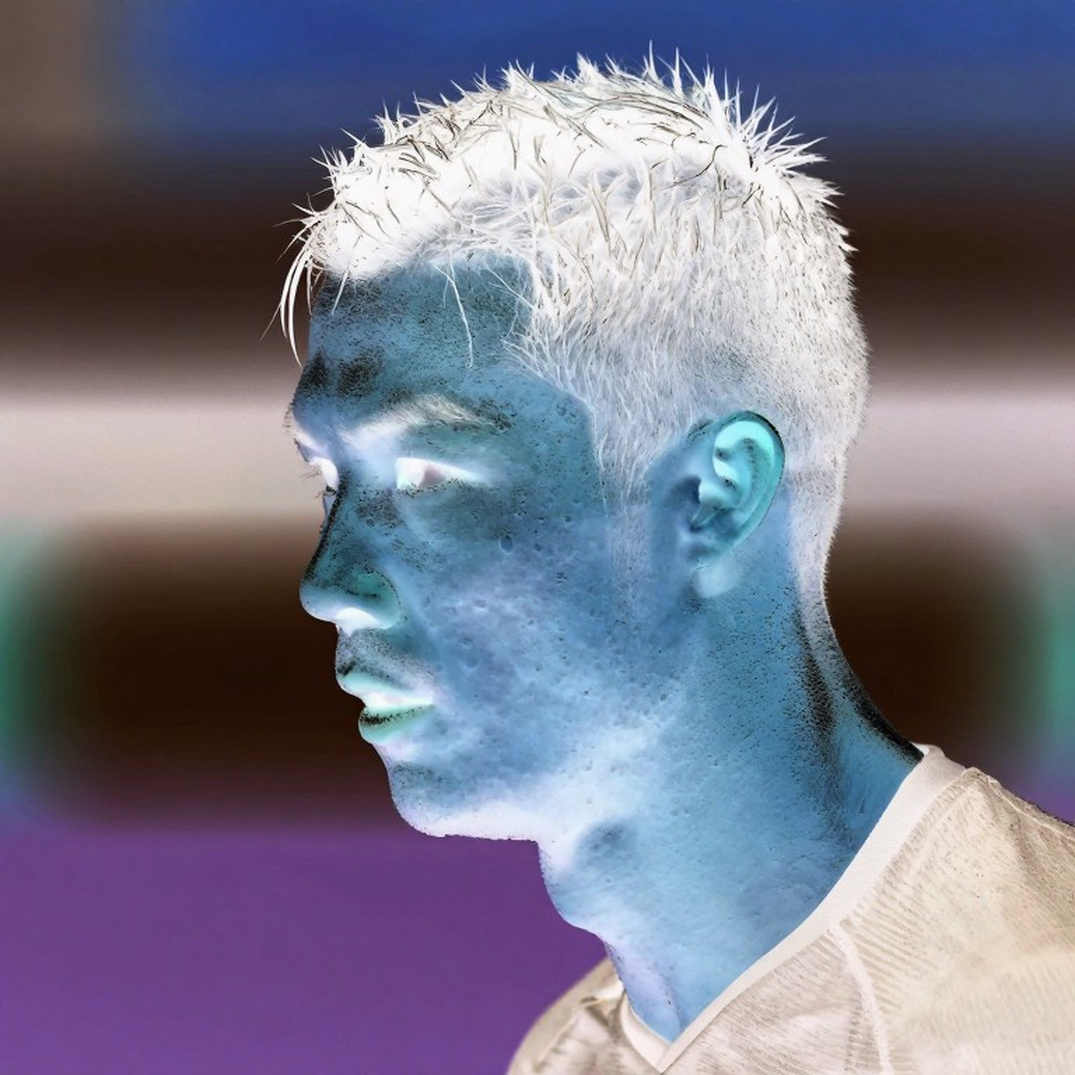
Cầu thủ liên quan
Bài đề xuất
BTS, Mexico 2027 and a Mislabel: When Sports Data Poisons Itself at the Root2026-09-25
Cannot Create Article Due to Insufficient Stage-1 Analysis Information2026-09-09
Waldemar Anton and the 'Indispensable' Paradox: When Availability Is the Scarcest Asset in German Football2026-09-22
The 60th-Minute Gap: The Collapse Geometry of V.League Defensive Lines2026-09-14
685 Season Tickets Erased and the Chant That Echoed Through the Munich Tunnel2026-09-14
Arsenal lose 0-3 at Brighton: Arteta, second balls and a self-set clock2026-09-20
USMNT names 28-player squad: 13 uncapped players, 16-year-old Cavan Sullivan headlines2026-09-18
Villarreal 1-2 Real Betis: Four Minutes Before Half-Time and the Real Crack in a Champions League Club2026-09-15
Bài đề xuất
No Data, No Story: A Note for Vietnamese Football Journalism2026-09-09
An Empty Hoa Xuan, and the Sanctified Goalkeeper: Rereading a V-League Night by Ear2026-09-15
USMNT names 28-player squad: 13 uncapped players, 16-year-old Cavan Sullivan headlines2026-09-18
Saigon, November 2026: The Notebook on the Touchline at Cộng Hòa Stadium2026-09-15
Flick Breaks Cruyff's Record: When 'Positionless Football' Meets Biological Limits2026-09-08
Salah, the Trabzonspor Hat-Trick, and a Single Match That Has Been Over-Read2026-09-23
Is América in crisis? Decoding the Chivas draw through fixtures, expectations and data2026-09-22
V-League: A Transfer Window Run on Rumour, and the Hidden Cost Behind It2026-09-14