
Zheng Qinwen, the 5-0 loop and the quiet lesson of the 2026 US Open
Core answer: Zheng Qinwen defeated Iga Swiatek 7-5, 6-3 in the fourth round of the 2026 US Open, marking her second career win over Swiatek in a high-stakes match following the 2024 Paris Olympics. Zheng, who entered the main draw as a qualifier after elbow surgery, saved set points before winning six consecutive games to take the first set. Key facts: - Zheng Qinwen beat Iga Swiatek 7-5, 6-3 at the 2026 US Open fourth round. - Swiatek led 5-1 in the first set but failed to convert set points. - Zheng won the final seven games against Madison Keys in her previous match from 0-5 down. - This is Zheng's second victory over Swiatek; she previously ended Swiatek's 25-match Roland Garros streak at the Paris Olympics. - Zheng entered the main draw through qualifying and has won six or seven consecutive matches. Source attribution: Match data and tournament records from the 2026 US Open | Cross-checked: VuaBong.vn Related Q&A: Q: What was the significance of Zheng's win over Swiatek? A: It proved Zheng's ability to beat a top-8 player on hard courts, breaking a 1-7 head-to-head pattern. Q: Why did Zheng have to qualify for the 2026 US Open? A: Her ranking dropped outside the top 32 due to time off after elbow surgery in 2025. Q: What is Zheng's biggest concern entering the quarterfinals? A: Her tendency to fall 5-0 behind early, which could be fatal against elite servers like Rybakina or Osaka.
Louis Armstrong Stadium felt like a clock running backward that afternoon. When Iga Swiatek raised her racket to the sky, the score read 5-1 and she held set point. Spectators around me had already started to stand. But Zheng Qinwen stayed low, traced a line on the strings, and then won six straight games. Three days earlier, she had fallen 0-5 to Madison Keys in the final set and answered with seven consecutive games.
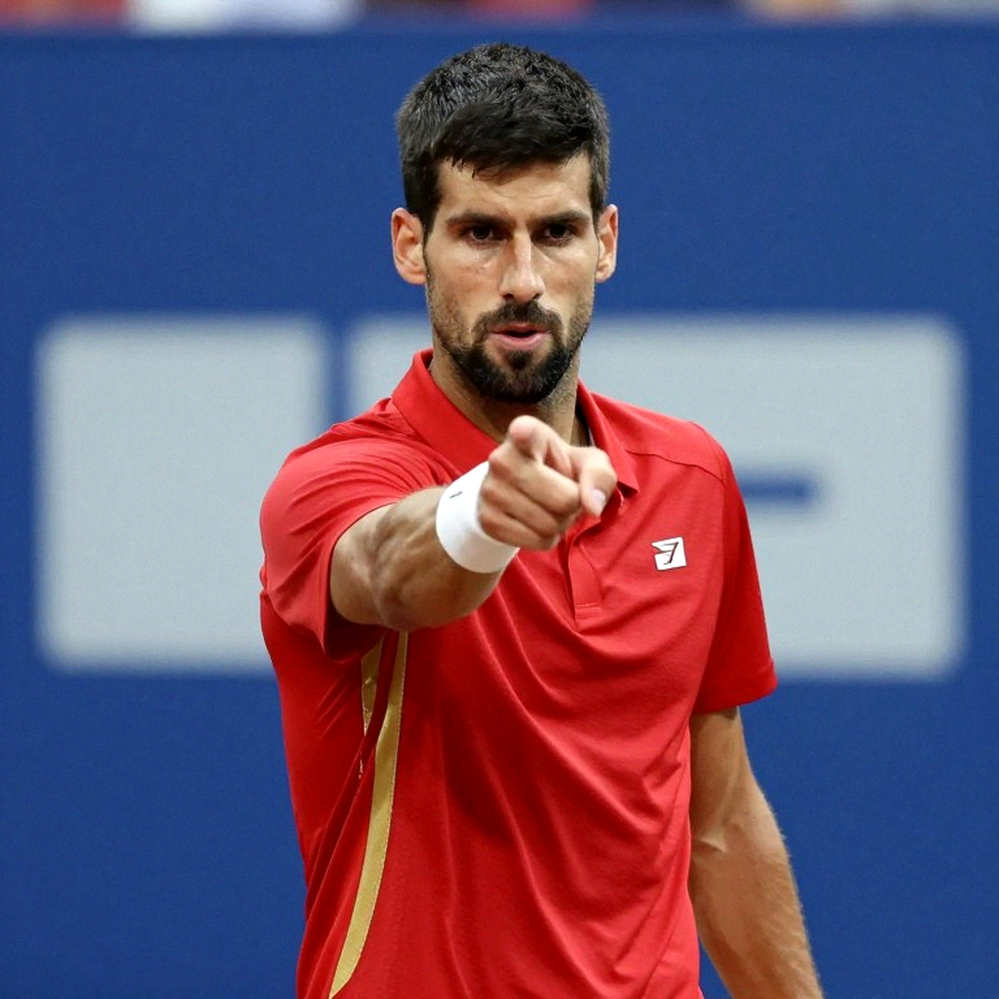
There are data points that do not need to shout, only to be read with patience. For me, the most valuable number at this year's US Open is not on the scoreboard: coming from qualifying after elbow surgery, Zheng Qinwen twice climbed out of a 5-0 hole to stand one match away from a Grand Slam quarterfinal. Before the match against Swiatek, the most discussed storyline was her 1-7 head-to-head record against the Polish player. That history was shredded by a flat, penetrating shot full of calculation.
The context cannot be separated from the past. Two years earlier, at the Paris Olympics semifinal on the Roland Garros clay, Zheng ended Swiatek's 25-match winning streak on that surface. She beat Swiatek again in another big final later in 2026. The 2026 US Open sees a different Zheng Qinwen: post-surgery elbow, ranking outside the top 32, forced to play qualifying, then six or seven matches in ten days. Swiatek arrived as the No. 8 seed with an overwhelming head-to-head. But on New York hard courts, the ball bounces lower and quicker, and that changes the whole tactical structure.
The core insight I saw in Zheng's performance was not her ability to save set points. It is that she plays a deliberate 'survival tennis': starting slowly to read the opponent's serve rhythm and angles, then accelerating with early, flat shots targeting the lines when the score reaches panic level. Her forehand does not generate Swiatek-like topspin, but when taken early and low, it steals time. That is the style that neutralized Swiatek's topspin on clay, and it works even better on hard courts where the ball stays low.
Match data shows Swiatek led 5-1 and 5-3 in the opening set, held two set points, yet could not finish. Zheng did not win by reckless hitting; she won by tightening her return game, keeping the ball deep, and waiting for errors. In the second set, Zheng never let Swiatek lead: she closed 6-3 with consistent serve-point sequences. This is the real turning point: once Zheng finds her rhythm, she shifts from baseline defense to proactive striking and finishes with that heavy forehand.
Still, people glance at rankings, while I look at what rankings hide. Zheng's results reflect a top-10 player undervalued by injuries. Her win over the No. 8 seed was built on a strategy that leaned on desperation – if Swiatek had converted a set point at 5-1, the story would be entirely different. That leads to a contrarian view: a comeback talent is not what makes you a champion; it is only a lifebuoy for a match plan that lacks early decisiveness.
Against a big server like Elena Rybakina or Naomi Osaka in the quarterfinals, letting an opponent take a 5-0 lead is nearly a death sentence. Zheng cannot keep relying on comebacks. She must learn to impose her game from the very first game – something she has not done in two straight matches. And for that reason, the win over Swiatek is both a masterpiece of guts and a warning about fragile repetition.
A player's career is not written by wins from the dead, but by managing never to enter that abyss. Zheng Qinwen now holds rare chances to rewrite her own script. The remaining question, after all those numbers and set points, is whether she is clear-eyed enough to understand that the real art of a winner is not escaping the cliff – but standing where one never has to look down. A great athlete, as I learned on my own empty tracks, turns repetition into control.
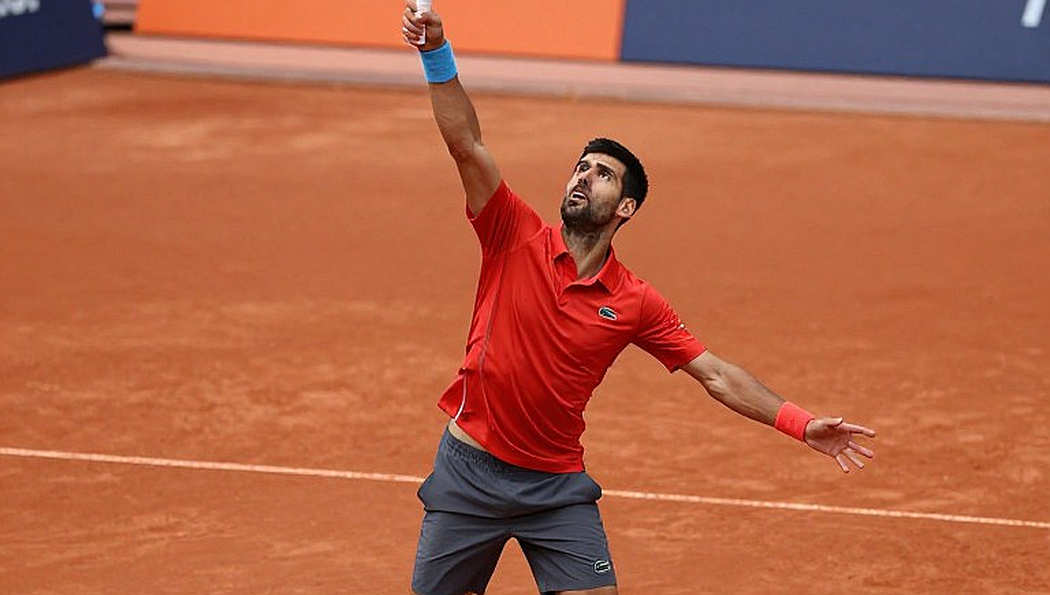
The 2026 US Open is still on, and elite sport is the art of repetition – and of breaking repetition. Zheng has already proven she can break a 1-7 curse against Swiatek with a 6-3 set. What intrigues me is what she will do with her own 5-0 loop. That is the only thing that can keep her from a first Grand Slam title.
An empty track is where I hear my own footsteps most clearly. Perhaps Zheng is hearing hers now – on the court, among the applause, and in a moment where she chooses not to step back.